








Kidney Transplant Patients and Monsoon: Important Care Guidelines

A kidney transplant is a life-changing procedure that restores health and improves quality of life. However, the success of a transplant does not end with surgery—it depends greatly on post transplant care, especially during challenging seasons like the monsoon.
The rainy season brings increased risks of infections, humidity-related complications, and waterborne illnesses. For kidney transplant patients, whose immunity is already suppressed due to anti-rejection medications, extra care is essential.
This blog explains important monsoon care guidelines for kidney transplant patients to help ensure long-term health and safety.
Why Monsoon Season Requires Special Attention After Kidney Transplant
During the monsoon:
- Bacterial and viral infections increase
- Water contamination becomes common
- Humidity encourages fungal growth
- Mosquito-borne diseases spread rapidly
For transplant patients, even minor infections can become serious. That’s why post transplant care during monsoon must be strict and well-planned.
Key Post Transplant Care Tips During Monsoon
1. Maintain Strict Hygiene
Good hygiene is the first line of defense.
Wash hands frequently with soap
Avoid crowded or unhygienic places
Keep wounds clean and dry
Avoid walking barefoot in wet areas
Even small infections can affect kidney function, so cleanliness is critical.
2. Drink Only Safe Water
Waterborne infections are common during monsoon.
Drink boiled or filtered water only
Avoid roadside juices or ice
Use clean utensils for food and water
Unsafe water can cause diarrhea or infections that may affect the transplanted kidney.
3. Follow a Safe and Balanced Diet
Diet plays a major role in post transplant care.
Eat freshly cooked food
Avoid raw or undercooked items
Limit oily and spicy food
Wash fruits and vegetables thoroughly
Your diet should support immunity while protecting kidney function.

4. Take Medications Without Fail
Immunosuppressant medicines prevent organ rejection and must be taken on time.
Never skip doses
Take medicines at the same time daily
Do not self-medicate
Inform your doctor if you feel unwell
Missing medication can lead to organ rejection.
5. Watch for Early Warning Signs
During monsoon, be alert for:
- Fever or chills
- Swelling in legs or face
- Reduced urine output
- Burning sensation while urinating
- Persistent cough or cold
If any symptoms appear, consult your doctor immediately.
6. Avoid Infections and Mosquito Bites
Use mosquito repellents
Wear full-sleeve clothing
Keep surroundings clean and dry
Avoid stagnant water
Diseases like dengue and viral fever can be dangerous for transplant patients.
7. Regular Follow-Ups Are Essential
Routine check-ups help monitor:
- Kidney function
- Blood pressure
- Drug levels
- Signs of infection
Never skip scheduled hospital visits, especially during monsoon.
Why Proper Post Transplant Care Matters
Good post transplant care:
- Prevents rejection
- Reduces infection risk
- Improves long-term kidney function
- Enhances quality of life
- Avoids emergency hospital visits
With the right precautions, transplant patients can lead a healthy and active life—even during the rainy season.
Trust Expert Care for a Healthy Recovery
Monsoon season demands extra caution for kidney transplant patients. Following proper post transplant care, maintaining hygiene, taking medicines regularly, and attending routine check-ups can help prevent complications and ensure long-term success of the transplant.
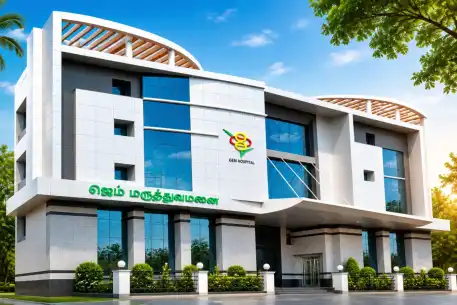
At GEM Hospital, we provide comprehensive kidney transplant care with experienced specialists, advanced monitoring, and personalized post-transplant guidance to ensure your recovery remains smooth and safe.
Book your appointment today at GEM Hospital
Get expert consultation for post transplant care
Trusted care | Advanced treatment | Compassionate support
Your health matters — let our experts guide you towards a safer and healthier life after transplant.

